OpenAI released ChatGPT to the public on Nov. 30, 2022. Suppose that, rather than trying to pick the perfect moment to invest in the artificial intelligence (AI) boom that followed, an investor simply started buying $500 of Nvidia ( NVDA +2.30% ) stock on the first trading day of every month, beginning the next day, Dec. 1, 2022. By this month's purchase on Sept. 1, the plan would have made 46 buys and put $23,000 to work.
Using split-adjusted closing prices, that money bought about 354 shares. With the stock around $222 as of this writing, the position is worth about $79,000, more than triple the total invested. Not bad for a habit that never required a single decision about timing.
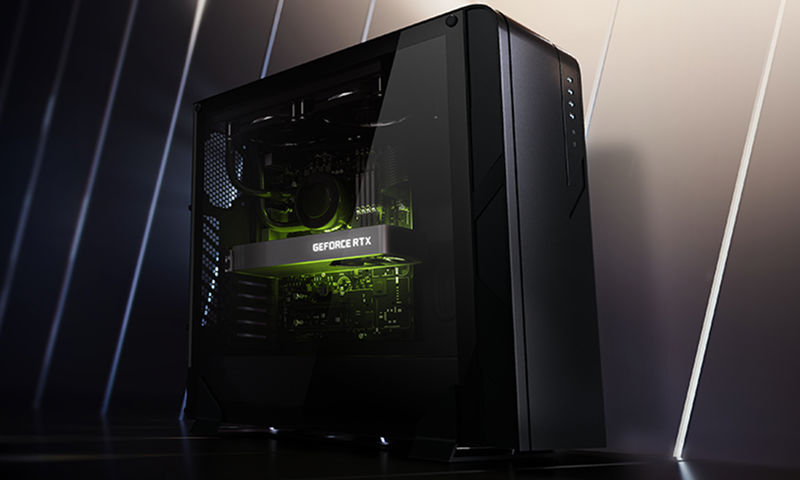
But the way those gains arrived is worth understanding before copying the plan. Does buying Nvidia this way still make sense from here? Image source: Nvidia.
The first year did most of the work The plan's first purchase went through at $17.14 per share. Its cheapest, one month later in early January 2023, cost about $14. Its most expensive, this past June, cost about $224.
That spread explains almost everything about the outcome. The first 12 monthly buys, $6,000 in total, picked up about 214 shares, all at prices below $50 -- 60% of everything the plan ever accumulated. The last 12 buys also put in $6,000, but at prices ranging from about $176 to $224, they added only about 31 shares.
That slice of the position is worth about $6,900 today, up about 15%. In other words, the early money did the compounding. And the recent money has barely gotten started.
Across all 46 purchases, the plan's average cost works out to about $65 per share: less than a third of today's price. Of course, a lump sum would have done far better. The same $23,000 invested all at once on ChatGPT's launch day would be sitting near $290,000 today.
Dollar-cost averaging (spreading purchases out on a schedule) gives up return when a stock mostly rises. It's the price of never having to guess. A $27 billion year became a $96 billion quarter The business the plan was buying in late 2022 barely resembles today's.
The plan's first two purchases landed inside Nvidia's fiscal 2023, which wrapped up that January -- a year in which the company's revenue totaled about $27 billion, essentially unchanged from the year before. The AI build-out changed that. During the three months that ended July 26 (Nvidia's fiscal second quarter of 2027), revenue came to $96.2 billion, up 106% year over year and 18% from the quarter before.
And management's guidance calls for about $108 billion in the current quarter, another double-digit step up from there. In other words, Nvidia expects to generate four times fiscal 2023's full-year total in a single quarter. Profits have kept pace.
Fiscal second-quarter net income more than doubled from the year-ago period, to $59.7 billion, meaning Nvidia kept about 62 cents of every dollar of revenue as profit. Growth like that at this scale is extraordinary, and it's the main reason I think the plan's later, pricier buys can still work out. Still a buy, $500 at a time?
After the stock's climb from about $17 to about $222, you might assume shares have become painfully expensive. But by one key measure, they haven't. The stock sells for about 14 times the earnings Nvidia is expected to produce in fiscal 2028, because profits have grown even faster than the share price.
Premium Feature Moneyball Superscore 94 /100 Today's Change ( 2.30 %) $ 5.11 Current Price $ 227.38 The risks haven't gone anywhere, though. Nvidia's revenue is concentrated among a limited number of enormous customers, whose spending plans can change. After all, the chip industry has been cyclical for decades.
If AI spending takes a breather, the stock could fall hard, as it has a few times since the plan began. That, arguably, is the strongest case for buying on a schedule. Not only does a schedule remove the guesswork, but it also keeps the money going in through the slides.
The buys made during the spring 2025 sell-off, at prices from about $110 to $114, have nearly doubled since, and nobody had to pick the bottom for that to happen. Would I keep the $500 going out the door each month? I would.
Today's buyer won't get 2022's prices, and the next few years may not repeat them. But shares don't carry the kind of price tag that should scare off a monthly buyer. I'd keep the buys going from here.
Source: The Motley Fool